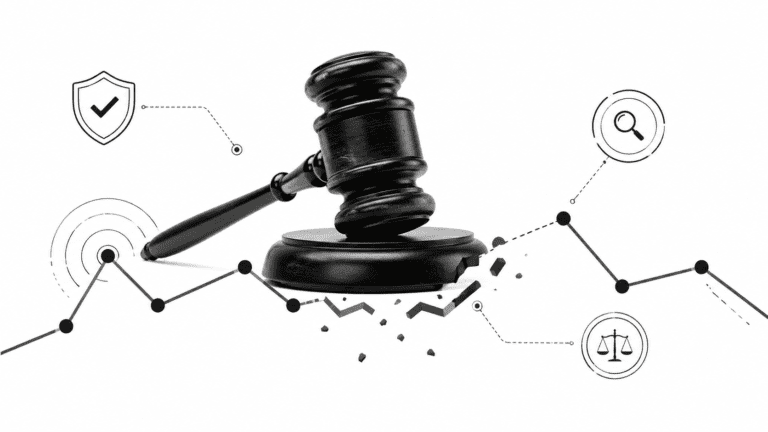
The Limitations of AI-Generated Content Detectors
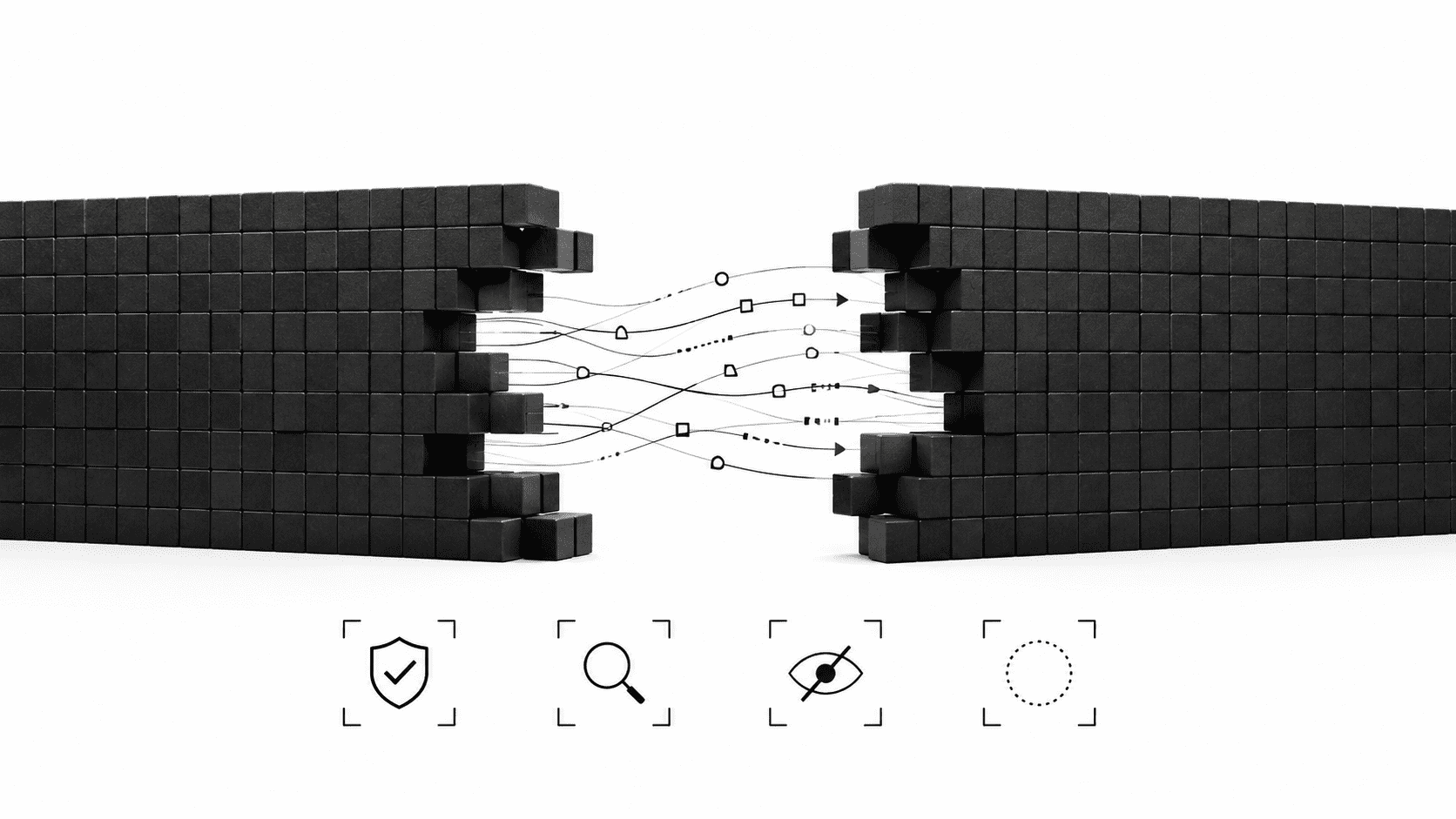
AI content detectors can be useful. They can flag suspicious text, images, videos, or audio. They can help moderators, publishers, teachers, journalists, and everyday users slow down before trusting a piece of content. But they cannot deliver absolute truth on command.
The limitations of AI content detectors matter because people often treat a detector score like a final verdict. A high score may lead someone to accuse a writer, reject a student paper, distrust a photo, or remove a post. A low score may give false confidence to content that still deserves scrutiny. The tool helps, but it does not replace judgment.
AI detectors work with probability, not certainty
Most detectors do not “know” whether a piece of content came from AI. They estimate. A synthetic text detector might analyze sentence rhythm, word choice, predictability, repetition, or statistical patterns. An image detector may inspect pixel noise, artifacts, compression traces, metadata, or signs of generation. A video detector may compare facial movement, frame consistency, lighting, and audio sync.
The result usually appears as a score: likely human, likely AI, suspicious, low risk, high risk. That score reflects patterns the tool recognizes. It does not prove intent, authorship, or full origin.
False positives can harm real people
False positives in AI detectors happen when real human work gets flagged as AI-generated. This creates a serious problem. A student with a clean, simple writing style may look “too predictable.” A non-native English speaker may use direct sentence structures that trigger suspicion. A company writer may follow a strict brand template. A journalist may write a factual paragraph with little emotional variation.
None of that proves AI use.
False positives become dangerous when people act too quickly. A teacher might accuse a student unfairly. A client might reject honest work. A platform might remove legitimate content. This is why detector results should always lead to review, not automatic punishment.
Common causes of false positives
- Clear, simple writing with predictable structure.
- Formal academic or corporate language.
- Short texts with limited context.
- Non-native writing patterns.
- Heavy editing, grammar correction, or translation.
- Templates, boilerplate, and SEO-style formatting.
False negatives can create a false sense of safety
A false negative happens when AI-generated content passes as human. This can happen for many reasons. A user may rewrite AI text by hand. A generated image may be cropped, compressed, filtered, or edited. A synthetic video may be exported several times until obvious glitches disappear.
AI detection bypass methods also keep improving. Some people paraphrase generated text, add personal anecdotes, change sentence rhythm, or mix human and AI-written sections. Others use tools designed to “humanize” AI output. With images and video, resizing, screenshots, overlays, and compression can weaken technical signals.
A clean detector result does not mean the content is authentic. It only means the tool did not find enough suspicious signals.
The limits of synthetic text detectors
Text detection is especially fragile. Unlike a photo file, text does not carry pixels, camera noise, or visual artifacts. Once words appear on a page, the detector must rely on language patterns. That can work in some cases, especially with generic AI writing, but it breaks down when the text has been edited, personalized, translated, or written in a naturally structured style.
The limits of synthetic text detectors become clear with short passages. A 120-word product description gives the tool very little to analyze. A list of FAQs, legal notes, or technical documentation may look robotic because the format itself demands precision. Even strong detectors struggle when the sample lacks enough variation.
Watermarking AI content helps, but it is not a complete answer
Watermarking AI content aims to mark generated material so systems can recognize it later. In theory, this sounds clean: generated content carries a hidden signal, and detection tools can read it. In practice, the situation gets messy.
Not every AI system uses the same watermark. Some tools may not watermark at all. A watermark may weaken after editing, cropping, paraphrasing, translating, screenshotting, compressing, or re-exporting. Open-source models and custom workflows can avoid standardized labels entirely.
Watermarking can support reliable AI content detection, but it cannot carry the whole burden. It works best as one layer in a broader verification process.
Different content types need different checks
AI text, images, videos, and audio leave different clues. A text detector cannot verify a face swap. An image detector cannot confirm whether a quote is real. A video tool may detect visual manipulation but miss misleading context. A voice detector may flag synthetic speech but still fail when the audio quality is poor.
This matters for real-world verification. A fake post may combine several elements: an AI-generated image, a real caption taken out of context, a synthetic voice clip, and a cropped video. One detector may catch one part and miss the rest.
Context can matter more than the score
A detector score becomes stronger when it fits the surrounding evidence. Who published the content? Can you find the original source? Does metadata support the claim? Do reverse image results show an older version? Does the author have a real history? Do other credible sources confirm the event?
For example, an image with strange visual artifacts, no source, missing metadata, and a high AI score deserves caution. A polished article with a moderate AI score, a known author, drafts, sources, and publication history deserves a different kind of review.
You can use Veriflai’s deep dive into AI detector accuracy and verification limits to understand how detection signals should be interpreted before making a decision.
How to use AI detectors responsibly
The best way to use detectors is to treat them as warning systems. They help you decide when to look closer. They should not become automatic judges.
- Use more than one signal before reaching a conclusion.
- Review the source, context, and file history.
- Be careful with short text samples.
- Never accuse someone based only on one detector score.
- Compare tool results with human review.
- Keep in mind that edited AI content may bypass detection.
- Use watermarking and metadata when available, but do not rely on them alone.
The real value of AI detection
The limitations of AI content detectors do not make them useless. They make them tools. A smoke alarm does not tell you the full story of a fire, but you still want one in the building. A detector can raise a signal, guide attention, and slow the spread of suspicious content.
Veriflai fits into that practical role: helping users question content before they trust it, share it, publish it, or act on it. The strongest approach combines detection, context, source checking, metadata, human review, and patience. AI content moves fast. Good verification gives you the one thing misinformation hates: time to think.